
Hi friends, I’ve missed you this month.
It seems to me that either with the “year of firsts” being done, or that ever-present grief being much more quiet this year, I have not been inspired or compelled to write quite as much.
I’ve been putting some thought into a few themes I could write on that I think might get me excited to post here more regularly:
- Novelty Experiences – while this wouldn’t be necessarily conencted to grief management, I think it’s fun to share the new things I try (or the old things I try in my new-older body) and how they work out.
- Cultural Meditations – I always am watching/reading/listening to new things, and I’d love to share my thoughts and interpretations with you, with as few spoilers as possible.
- Parenting – because it’s the thing I am doing all the time.
If any of these sound interesting to you, let me know.
For today, I wanted to share my random shuffle of thoughts.
A few weeks ago, my 9-year-old made me a Spotify playlist. This brought me joy in so many ways. I was delighted watching her actually learn a new technology (she is not one of those kids who can use a remote better than her parents), and I appreciated how well she knew my taste in music. And the fact that she made her first modern mixtape for me, well, it made my heart, and my head sing. It was pretty good. It had Hozier and my new obsession song, Dracula by Tame Impala.
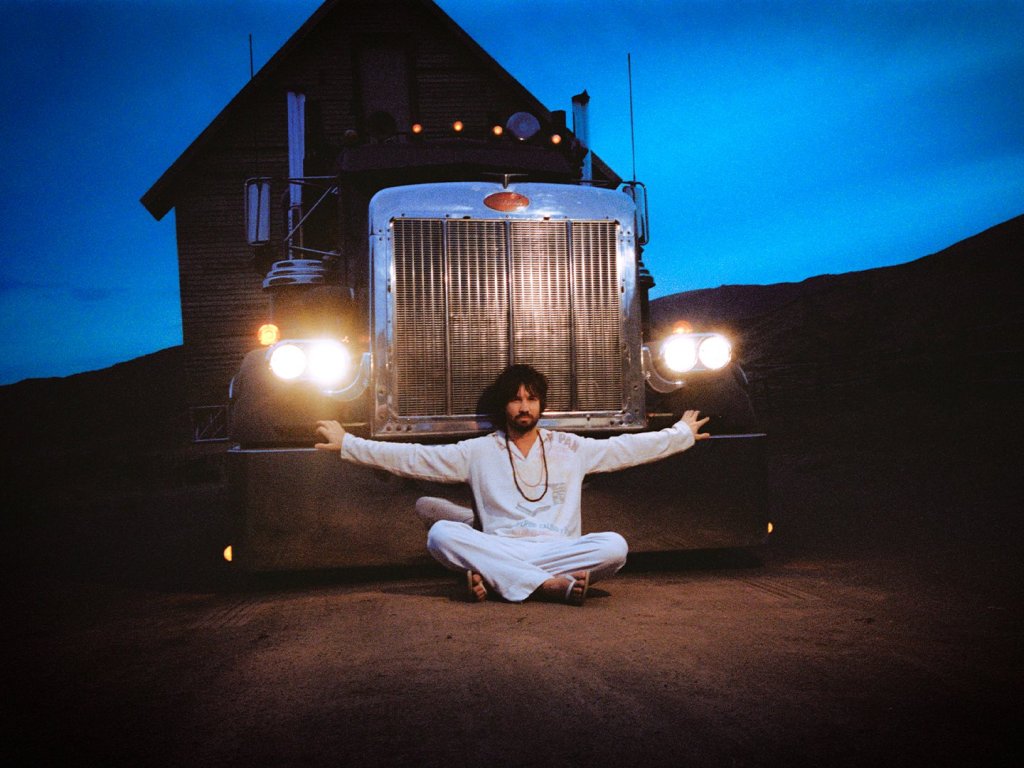
It was the first thing she’s ever presented me with that she made fully spontaneously, and all by herself. You know what I mean – it wasn’t a Mother’s Day present her art teacher prompted her to make. I’ve received coloring pages, handfuls of dandelions, and a Mother’s Day breakfast that left me wanting a protein bar. But this was so cool, because it reflected her as a person, and her knowledge of me as a person separate from her. Anyways, it was just another reminder that these little things need to be remembered, appreciated, and celebrated.
I’ve also been thinking about AI (you know, artificial intelligence) and how people have such strong reactions to it, even though most of us only use it for stupid things like writing emails we don’t want to write or making crazy pictures and videos.
I don’t think that writing emails or being creative were problems the majority of us faced before we had access to AI. In fact, writing and drawing and being creative are things that bring lots of us joy. But, if AI makes certain tasks or activities more equitable and accessible for people, then that probably feels awesome for them. If AI is now answering the phone for your plumber and it’s doing a really poor job, then it probably feels less good.
I know there are companies that are using AI for all kinds of things that we, as the general public, never see, like supporting development of more intuitive medical devices, designing new ways of delivering medicine, or making lawyer services more affordable by spending less time drafting contracts or conducting due diligence.
I’m of course not getting deep into the downsides of AI here (overuse of water, energy; replacing entry level jobs; generally giving people the ick). But I have been wondering if we apply it to problems we actually want to solve rather than just having it do things we don’t need, is there a place for it in society? You know, now that it is here, and taking up so much of our brain space and making a play to be the foundation of the new world economy.
Like if AI could build more efficient and affordable housing, fix inflation, resolve the culture war, help people have better debates, or re-design social media so it doesn’t destroy the mental health of teens (and the rest of us), would we still mostly hate it, or would we welcome it into our lives? Would it ever not feel evil and scary? Or would it always feel like the Terminator is lurking just around the corner.

I personally don’t love AI, but I don’t love a lot of things that are now just taken for granted as part of modern life.
For instance, I don’t love Amazon, and how it is the default mode of delivery for…everything. Like books, laundry detergent, HBO subscriptions, new episodes of The Wheel of Time, coupons at Whole Foods, healthcare, and goodness knows what else. In fact, I cancelled my Prime subscription over a year ago, and have only bought 2 things since (both were books that were self published by people I know and want to support, and were only available through Amazon).
But, when I say this to people, 9 times out of 10 they look at me like I have fully lost my mind. Like, “What, how do you LIVE?” And I will admit, it is definitely less convenient at times, and I don’t know if I’m actually saving anything (money, miles, local businesses, karma) by not using the service. But, I hate the idea that one company is my gateway to every thing and experience, and I feel more free not using it.
I wonder at what point not using AI will appear just as culturally deviant as not shopping on Amazon?
Capital One Shopping Research told me 2.29 billion global shoppers visited Amazon.com in February 2026 (and maybe this report was put together by AI?). Edison Research says that as of the same time frame, 52% of American adults surveyed said they use an AI chatbot weekly (Edison is operated by SSRS, which is a research company that appears to be staffed by humans). So…seems like a pretty big audience for both.
I’ve also been thinking about the different ways we use “working hard” versus “letting go” as life philosophies to get what we want.
For instance, when I think about the advice people give to those who want a certain job, economic status, credential, or ability like playing guitar or playing a sport, we always hear that you have to put in the time and work hard for it. Practice, practice, practice. Show up, keep at it, pay your dues.
But when it comes to things like meeting a life partner, dealing with emotional recovery from grief, healing from an injury or illness, or parenting your child through different stages, the first advice you’ll often here is “just let nature take it’s course, these things can’t be planned.”
There will often be times when intervention is necessary (if you are “too picky” about who you date, if the injury or illness is too grave, or if the child is dealing with a larger problem) but the common wisdom for some things is “leave it alone” while for others it’s “only hard work will get you what you want.”
I’ve just been wondering what if setting it and forgetting it (i.e. state what you want, and then, just see what happens) could in fact be a better way of reaching goals, or if there’s some sweet spot where you do some work, but then sit back and relax and see where your hard work guides you while you sit on your floatie in the Lazy River of Life?
No conclusion here, just a question. Let’s see what answers come…

 A Year of Firsts
Leave a reply to WritingfromtheheartwithBrian Cancel reply